
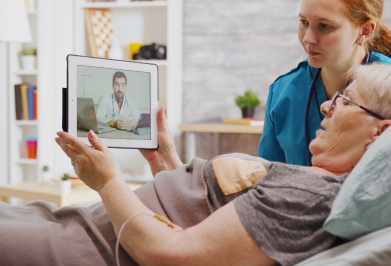



Caring for a loved one with diabetes can be both rewarding and challenging. Whether you’re supporting an aging parent, spouse, or family member, effective diabetes management at home plays a crucial role in maintaining health, preventing complications, and improving quality of life. As a caregiver, understanding the basics of diabetes care can help you provide the support your loved one needs to live safely and comfortably.
Understanding Diabetes
Diabetes is a chronic condition that affects how the body processes blood sugar (glucose). When blood sugar levels remain too high or too low, serious health complications can occur. The most common types include:
- Type 1 Diabetes: The body produces little or no insulin.
- Type 2 Diabetes: The body becomes resistant to insulin or doesn’t produce enough.
- Gestational Diabetes: Develops during pregnancy and usually resolves after childbirth.
Proper management is essential to prevent complications such as heart disease, kidney damage, vision problems, and nerve damage.
Monitoring Blood Sugar Levels
One of the most important responsibilities of a caregiver is helping monitor blood glucose levels.
Tips for Effective Monitoring:
- Follow the healthcare provider’s recommended testing schedule.
- Keep a log of blood sugar readings.
- Learn how to use glucose meters or continuous glucose monitoring (CGM) devices.
- Watch for patterns or unusual fluctuations and report concerns to healthcare professionals.
Consistent monitoring helps identify problems early and supports better treatment decisions.
Supporting Healthy Nutrition
Diet plays a major role in diabetes management.
Caregiver Nutrition Tips:
- Encourage balanced meals with vegetables, lean proteins, whole grains, and healthy fats.
- Limit sugary beverages and processed foods.
- Help manage portion sizes.
- Maintain consistent meal schedules to support stable blood sugar levels.
- Consult a registered dietitian if specialized meal planning is needed.
Healthy eating habits can significantly improve blood sugar control and overall well-being.
Encouraging Physical Activity
Regular exercise helps improve insulin sensitivity and supports healthy blood sugar levels.
Safe Exercise Options:
- Walking
- Light stretching
- Swimming
- Cycling
- Chair exercises for individuals with limited mobility
Always consult a healthcare provider before starting a new exercise routine, especially for individuals with additional health conditions.
Managing Medications Properly
Many people with diabetes require medication or insulin therapy.
Caregiver Responsibilities:
- Ensure medications are taken as prescribed.
- Understand proper insulin storage and administration techniques.
- Keep track of medication schedules.
- Monitor for side effects or adverse reactions.
- Refill prescriptions before supplies run out.
Medication adherence is critical for maintaining stable glucose levels.
Recognizing Signs of Blood Sugar Emergencies
Caregivers should know how to identify both high and low blood sugar situations.
Signs of Low Blood Sugar (Hypoglycemia):
- Shakiness
- Sweating
- Dizziness
- Confusion
- Irritability
- Rapid heartbeat
Signs of High Blood Sugar (Hyperglycemia):
- Increased thirst
- Frequent urination
- Fatigue
- Blurred vision
- Headaches
Seek medical attention if symptoms become severe or do not improve with appropriate treatment.
Preventing Diabetes Complications
Daily preventive care can reduce the risk of long-term complications.
Important Preventive Measures:
- Encourage regular medical checkups.
- Monitor blood pressure and cholesterol levels.
- Support proper foot care and inspect feet regularly for injuries.
- Ensure annual eye examinations.
- Promote good oral hygiene.
Early detection and prevention can help avoid serious health issues.
Providing Emotional Support
Living with diabetes can be emotionally challenging. Many individuals experience stress, frustration, or anxiety related to managing their condition.
Ways Caregivers Can Help:
- Offer encouragement and understanding.
- Celebrate small health achievements.
- Listen to concerns without judgment.
- Encourage participation in support groups or counseling if needed.
Emotional well-being is an important part of successful diabetes management.
Using Technology for Better Care
Modern technology can simplify diabetes care at home.
Helpful tools include:
- Continuous glucose monitors (CGMs)
- Medication reminder apps
- Telehealth appointments
- Smart insulin pens
- Digital health tracking platforms
These tools can improve communication with healthcare providers and make daily management more convenient.
When to Seek Medical Help
Contact a healthcare professional if your loved one experiences:
- Frequent episodes of low or high blood sugar
- Difficulty managing medications
- Signs of infection or slow-healing wounds
- Sudden vision changes
- Severe fatigue or confusion
Prompt medical attention can prevent complications and improve outcomes.
Conclusion
Managing diabetes at home requires a combination of monitoring, medication management, healthy lifestyle choices, and emotional support. As a caregiver, your role is essential in helping your loved one maintain stable blood sugar levels and enjoy a better quality of life. By staying informed, organized, and proactive, you can make a meaningful difference in their health and well-being while supporting their journey toward better diabetes management.