
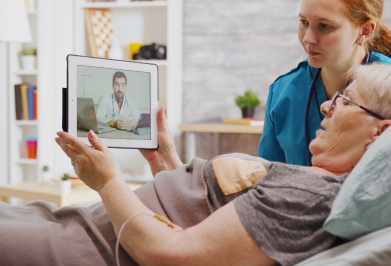


The healthcare industry is undergoing a major transformation, and telehealth is at the center of this change. In 2025, telehealth has become more than just a convenient way to connect with healthcare providers—it is now a critical component of modern home healthcare. By combining virtual consultations, remote patient monitoring, and digital health technologies, telehealth is making quality healthcare more accessible, efficient, and personalized than ever before.
What Is Telehealth?
Telehealth refers to the use of digital communication technologies to deliver healthcare services remotely. Through video calls, phone consultations, mobile health applications, and remote monitoring devices, patients can receive medical care and support without leaving their homes.
This approach helps bridge the gap between patients and healthcare providers, especially for individuals with mobility challenges, chronic conditions, or limited access to healthcare facilities.
The Growing Role of Telehealth in Home Healthcare
As healthcare systems continue to evolve, telehealth is playing a larger role in helping patients receive professional care at home. Healthcare providers can now monitor patients remotely, conduct virtual visits, manage treatment plans, and respond quickly to health concerns.
The integration of telehealth into home healthcare is improving both patient outcomes and the overall healthcare experience.
Key Ways Telehealth Is Transforming Home Healthcare
1. Improved Access to Healthcare Services
Telehealth eliminates many of the barriers associated with traditional healthcare visits. Patients living in rural areas, individuals with transportation difficulties, and those with mobility limitations can easily connect with healthcare professionals from home.
This expanded access helps ensure timely medical attention and reduces delays in treatment.
2. Enhanced Remote Patient Monitoring
Wearable devices and remote monitoring tools allow healthcare providers to track vital signs and health data in real time. Commonly monitored metrics include:
- Blood pressure
- Heart rate
- Blood glucose levels
- Oxygen saturation
- Weight changes
Continuous monitoring enables early detection of health issues and allows providers to intervene before conditions worsen.
3. Better Management of Chronic Diseases
Patients with chronic conditions such as diabetes, heart disease, COPD, and hypertension benefit greatly from telehealth services. Regular virtual check-ins help healthcare providers monitor progress, adjust treatment plans, and provide ongoing support without requiring frequent clinic visits.
This proactive approach can improve disease management and reduce hospital admissions.
4. Faster Communication Between Patients and Providers
Telehealth enables patients to communicate with healthcare teams quickly and conveniently. Whether discussing symptoms, medication concerns, or treatment updates, virtual communication improves responsiveness and helps address health issues sooner.
5. Support for Aging in Place
Many older adults prefer to remain in their homes as they age. Telehealth makes this possible by providing access to medical consultations, medication management, and ongoing health monitoring without the need for frequent travel.
This supports independence while ensuring seniors receive the care they need.
6. Reduced Healthcare Costs
By reducing emergency room visits, hospital admissions, and unnecessary in-person appointments, telehealth can help lower healthcare expenses for both patients and healthcare systems.
The ability to address concerns early often prevents more serious and costly health complications.
Benefits for Patients and Families
Telehealth offers numerous advantages, including:
- Greater convenience and flexibility
- Reduced travel time and expenses
- Faster access to healthcare professionals
- Improved continuity of care
- Increased family involvement in care planning
- Enhanced patient satisfaction
Families can also participate in virtual appointments, helping them stay informed and engaged in their loved one’s healthcare journey.
Challenges and Considerations
While telehealth offers significant benefits, some challenges remain:
- Access to reliable internet connections
- Digital literacy among certain patient populations
- Privacy and cybersecurity concerns
- Limitations for conditions requiring physical examinations
Healthcare organizations continue to address these challenges through improved technology, patient education, and stronger security measures.
The Future of Telehealth in Home Healthcare
In 2025 and beyond, telehealth is expected to become even more integrated into home healthcare services. Advances in artificial intelligence (AI), wearable health technology, and remote diagnostic tools will further enhance virtual care capabilities.
As these innovations continue to develop, patients can expect more personalized, proactive, and data-driven healthcare experiences from the comfort of their homes.
Conclusion
Telehealth is revolutionizing home healthcare by making medical services more accessible, efficient, and patient-centered. Through virtual consultations, remote monitoring, and improved communication, telehealth empowers patients to receive high-quality care without leaving home. As technology continues to advance, telehealth will remain a driving force in the future of home-based healthcare, helping individuals live healthier and more independent lives.