
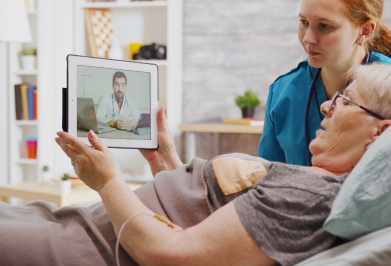

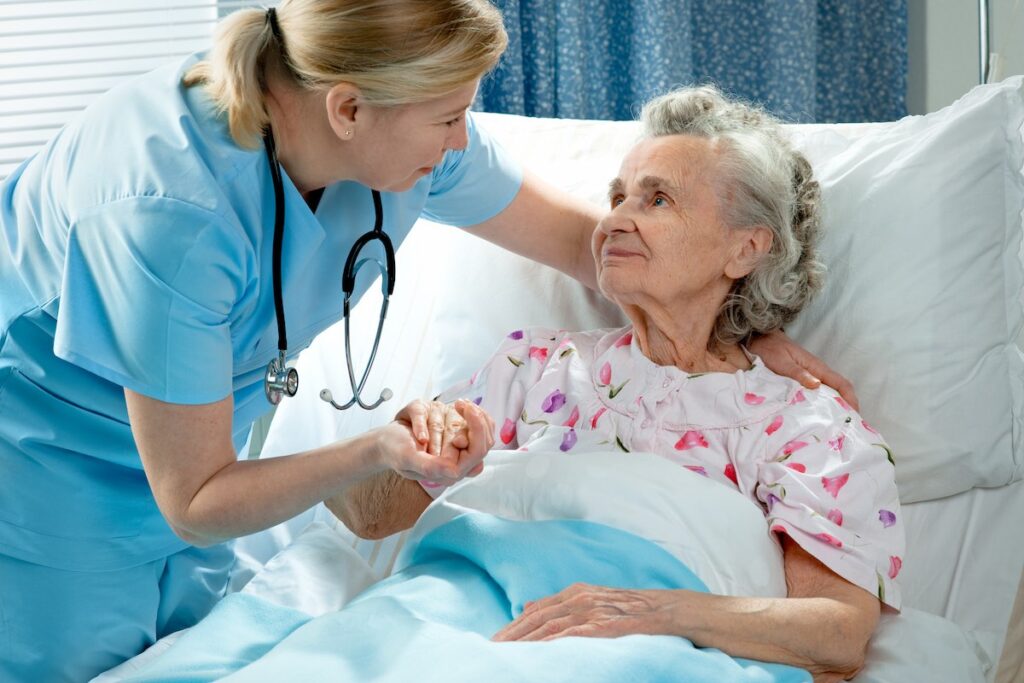

Healthcare is evolving, and one of the most innovative developments is the Hospital-at-Home (HaH) model. This approach allows eligible patients to receive hospital-level care in the comfort and safety of their own homes instead of staying in a traditional hospital setting.
What Is Hospital-at-Home?
Hospital-at-Home is a healthcare program that provides acute medical care, monitoring, and treatment at a patient’s residence. It is designed for patients who require hospital-level services but can be safely treated at home under the supervision of healthcare professionals.
The goal is to deliver high-quality care while improving patient comfort, reducing hospital overcrowding, and lowering healthcare costs.
How Does Hospital-at-Home Work?
The Hospital-at-Home process typically follows these steps:
1. Patient Assessment
A healthcare provider evaluates whether the patient is a suitable candidate for home-based hospital care. Factors such as the patient’s medical condition, home environment, and support system are carefully reviewed.
2. Care Plan Development
Once approved, a personalized care plan is created. This plan outlines treatments, medications, monitoring requirements, and scheduled visits from healthcare professionals.
3. Home Setup
Necessary medical equipment is delivered and installed in the patient’s home. This may include monitoring devices, oxygen equipment, IV therapy supplies, or other specialized medical tools.
4. Continuous Monitoring
Patients receive regular check-ins through in-person visits, telehealth consultations, and remote monitoring technology. Healthcare teams track vital signs and symptoms to ensure safe recovery.
5. Ongoing Treatment and Support
Nurses, physicians, therapists, and other healthcare professionals provide treatments, administer medications, conduct tests, and offer education and support throughout the recovery process.
Conditions Commonly Treated at Home
Hospital-at-Home programs can often manage conditions such as:
- Pneumonia
- Congestive heart failure
- Chronic obstructive pulmonary disease (COPD)
- Urinary tract infections (UTIs)
- Cellulitis and other infections
- Post-surgical recovery
- Dehydration requiring IV fluids
Eligibility varies based on the patient’s condition and healthcare provider recommendations.
Benefits of Hospital-at-Home
Enhanced Comfort
Patients can recover in familiar surroundings, surrounded by family and loved ones.
Reduced Risk of Hospital-Acquired Infections
Receiving care at home may decrease exposure to infections commonly found in hospital settings.
Personalized Care
Healthcare teams can tailor services to the patient’s specific needs and home environment.
Improved Patient Satisfaction
Many patients report greater comfort, convenience, and overall satisfaction with home-based care.
Lower Healthcare Costs
Hospital-at-Home programs can help reduce expenses associated with prolonged hospital stays while maintaining quality care.
Is Hospital-at-Home Safe?
For appropriately selected patients, Hospital-at-Home programs are designed to provide safe and effective care. Healthcare professionals closely monitor patients, and emergency protocols are in place if a higher level of care becomes necessary.
Who Can Benefit from Hospital-at-Home?
Hospital-at-Home may be ideal for:
- Older adults who prefer recovering at home
- Patients with stable acute medical conditions
- Individuals seeking a more personalized care experience
- Families looking for greater involvement in the recovery process
However, not every patient is a suitable candidate. A healthcare provider must determine eligibility based on medical needs and safety considerations.
The Future of Healthcare at Home
As healthcare technology continues to advance, Hospital-at-Home programs are becoming an increasingly important part of modern healthcare. By combining medical expertise, remote monitoring, and personalized support, this model offers a convenient and effective alternative to traditional hospital stays.
Hospital-at-Home is transforming the way healthcare is delivered—bringing high-quality medical care directly to patients where they feel most comfortable: at home.